
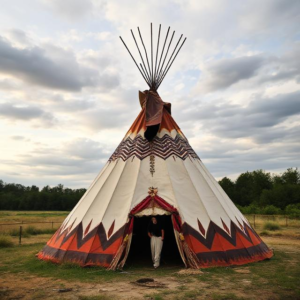
 The American Indian tip is more than just one structure – it is a powerful symbol of the rich cultural heritage, knowledge and way of life of the original American tribes of the Great Plains. For centuries, Tipi served as a practical and spiritual home for many indigenous communities, designed to reflect the needs of the natural world and the needs of nomadic life. Today, Tipi remains a revered symbol of the original American identity, craftsmanship and land relations.
Design and Structure
The traditional tip is an easily designed conical tent, which is usually made from wooden poles and, in modern versions, covered with animal skins or durable canvas. Its aerodynamic shape allows it to withstand strong winds in winter and provide coolness in summer. The design includes a smoke hole at the top for ventilation and a flap door for easy entry. The interior is often arranged around a central fire, which creates a communal place for family ceremonies, stories and ceremonies. Tipi’s portability made it ideal for the nomadic lifestyle of tribes of plains, such as Lacota, Cheyne and Blackfoot, who followed the bison herds in the huge landscape. Tipis can be installed and can be taken down quickly, packed on a travois, and easily carried by a horse or dog.
Cultural Significance
Beyond its functional design, the tip has a deep cultural and spiritual meaning. Its circular basis represents the cycle of life and mutual relations of everything. The structure was often associated with cardinal directions and decorated with sacred symbols, symbols of clan, or storytelling art that reflected the beliefs and history of its inhabitants. Staying in a tip was more than shelter – it was a way of life that promoted balance, respected to nature and unity within the community. Tipis also had settings for many important life events, including birth, upcoming age ceremony and spiritual rituals. The honorable construction and maintenance of a Tipi were the functions of respect, often passed through generations with the guidance of the elderly and tribal customs.
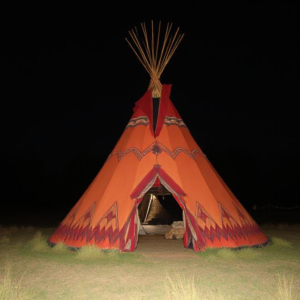 Modern-day use and revival Today, American Indian Tipis are experiencing a cultural revival and renewed interest from people around the world. Many original communities continue to manufacture and use Tipis during cultural ceremonies, poves, educational programs and formal programs. For non-indigenous individuals and organizations, Tipi provides a meaningful way to connect with nature and learn about indigenous culture when contact is made with proper respect and understanding. In external education, glamping, and eco-tourism, Tipis are used as durable and inspirational housing. They provide a unique, immersive experience that mixes comfort with tradition, allowing guests to disconnect modern distractions and reconnect with the natural world.
Protect heritage through craftsmanship.
At the American Indian Tip, we are proud to support the conservation of this timely tradition. We work with skilled artisans who respect the original design and construction methods, using quality materials to create durable, authentic tips. Whether cultural education, spiritual practice, or used for unique living places, each tip tells a story and furthers the legacy of native knowledge and flexibility. By celebrating the American Indian tip, we help to keep a sacred tradition alive that continues to inspire respect, relationship and harmony with nature.