
Different Types of Psychological Therapies and How They Work
If you’ve ever wondered what truly helps people feel more grounded in the middle of life’s emotional chaos, you’re not alone. Stress, anxiety, burnout, these things sneak up and suddenly it’s hard to focus, sleep, or even enjoy the things that once felt easy. That’s where the right kind of support can make all the difference. With so much information out there, it can be overwhelming to know where to begin, but there are accessible and effective options that genuinely help improve mental health. It’s not always about doing more, but about choosing the right tools and professionals who can guide the process in a way that fits individual needs.
Therapy often feels like a mysterious world from the outside, especially for anyone who’s never experienced it firsthand. But at its core, it’s a safe space to make sense of the things that feel tangled. There isn’t a one-size-fits-all solution either. Different types of psychological therapies are designed to meet people where they are. Cognitive Behavioral Therapy (CBT), for example, is widely used to untangle negative thought patterns and reshape how challenges are approached. Acceptance and Commitment Therapy (ACT) focuses more on learning how to sit with discomfort while still moving toward what matters. Then there’s Dialectical Behavior Therapy (DBT), especially helpful when emotions feel too intense to manage. Each method brings something unique to the table, which is why understanding the differences can lead to better choices.
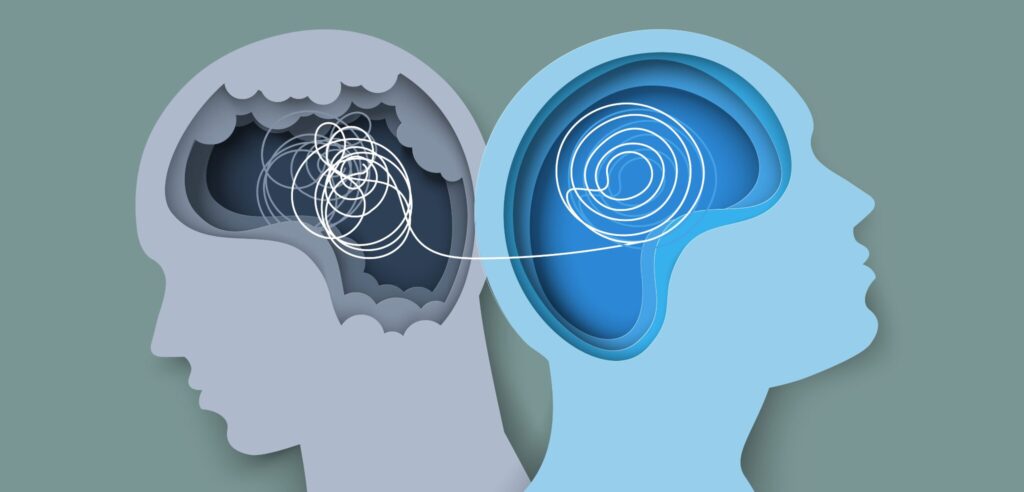
What tends to surprise people is how psychologists don’t just treat symptoms, they dig deeper. They assess, listen, observe patterns, and help uncover what’s often just beneath the surface. Whether it’s persistent sadness, relationship tension, trauma, or even unexplained fatigue, a psychologist has the tools to piece together what’s happening and why. More than that, they offer strategies tailored to each person, helping them manage day-to-day struggles while also working on the root causes. It’s not about quick fixes, but sustainable changes, and that’s something people of all ages can benefit from. Children, teens, adults, and older adults all face emotional hurdles that deserve attention, and psychologists are trained to support every stage of life.
The beauty of professional mental health support is that it doesn’t just react to crisis, it strengthens resilience before things fall apart. Sometimes, talking to someone who listens without judgment can open up clarity that’s hard to find alone. Other times, having a structured approach helps rebuild the parts of life that feel lost or disconnected. It’s not weak to ask for help, it’s wise. Therapy doesn’t always look like lying on a couch and pouring out secrets. It can look like solving real problems with someone who knows how to ask the right questions.
At the end of the day, everyone deserves support that feels tailored, not templated. Whether it’s through a specific type of therapy or by working closely with a psychologist, there are many ways to help improve mental health across different phases of life. Emotional wellbeing isn’t just a personal project, it’s something that can ripple into relationships, work, and the overall experience of living. Choosing to explore these options is a powerful first step, not only toward healing but toward building something stronger in its place.
…