
Knowing When Secure Disposal Makes All the Difference
Every financial document tells a story, whether it’s about your income, spending, investments, or debts. While these papers are essential for certain periods of time, holding onto them indefinitely can create more risk than security. That’s where financial document shredding comes into play. Proper disposal of sensitive papers is not just a matter of clearing out clutter— learn more here why it is a crucial step in protecting your identity, maintaining privacy, and staying compliant with regulations that govern sensitive financial information.
The timing of shredding matters just as much as the act itself. Some documents, like tax returns or loan agreements, need to be kept for several years in case of audits or disputes. Others, such as old utility bills or outdated bank statements, lose their relevance much sooner. Knowing the difference between what should be stored and what can be shredded is key to striking the right balance between readiness and security. By scheduling regular shredding, individuals and businesses avoid letting piles of paper become potential vulnerabilities.
Identity theft is one of the most significant threats tied to improper disposal. Even a single discarded bank statement can reveal account numbers, addresses, and patterns of spending that criminals could exploit. In businesses, the risks multiply—payroll records, customer invoices, and supplier contracts all contain details that could be misused if not destroyed responsibly. Shredding these documents at the right time ensures that sensitive data never falls into the wrong hands.
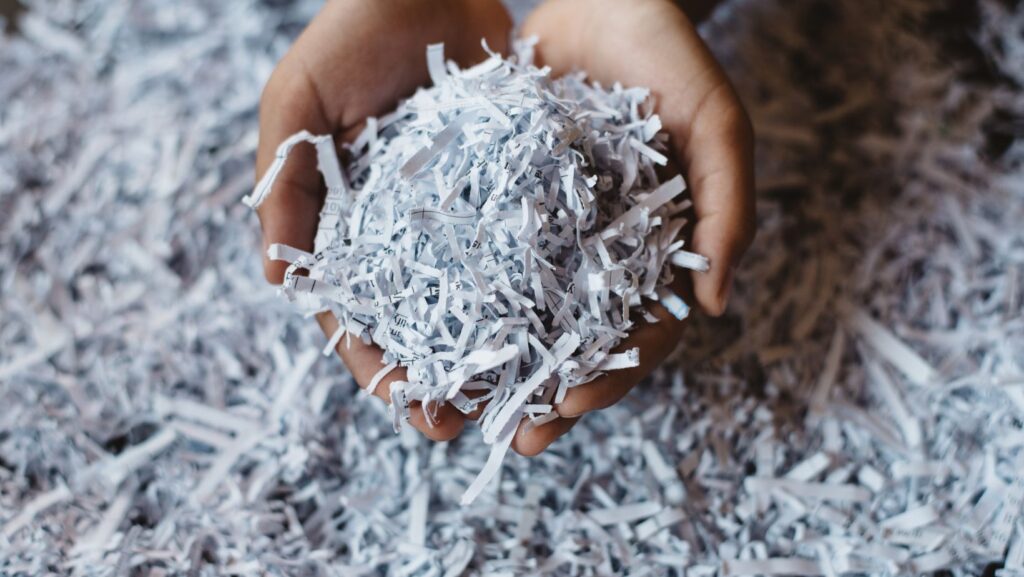
For organizations, regulatory compliance adds another layer of urgency. Industries such as finance, healthcare, and legal services must adhere to strict rules regarding how long documents are stored and how they are destroyed afterward. Failure to follow these guidelines not only endangers client trust but can also lead to heavy fines and reputational damage. Shredding provides a secure, verifiable method of disposal that satisfies compliance requirements while demonstrating a commitment to safeguarding information.
On a personal level, shredding also brings peace of mind. Holding onto old statements and records can create unnecessary anxiety, especially when stacks of paperwork grow year after year. By clearing out what’s no longer needed, you gain both security and simplicity. What remains is a more manageable set of records, organized for easy access and protected against potential misuse.
Financial document shredding is not about destroying history—it’s about protecting the future. By understanding when it matters and making it a regular part of your routine, you protect yourself, your business, and those who trust you with their information. Secure disposal transforms a potential weakness into a powerful shield against risk.
…